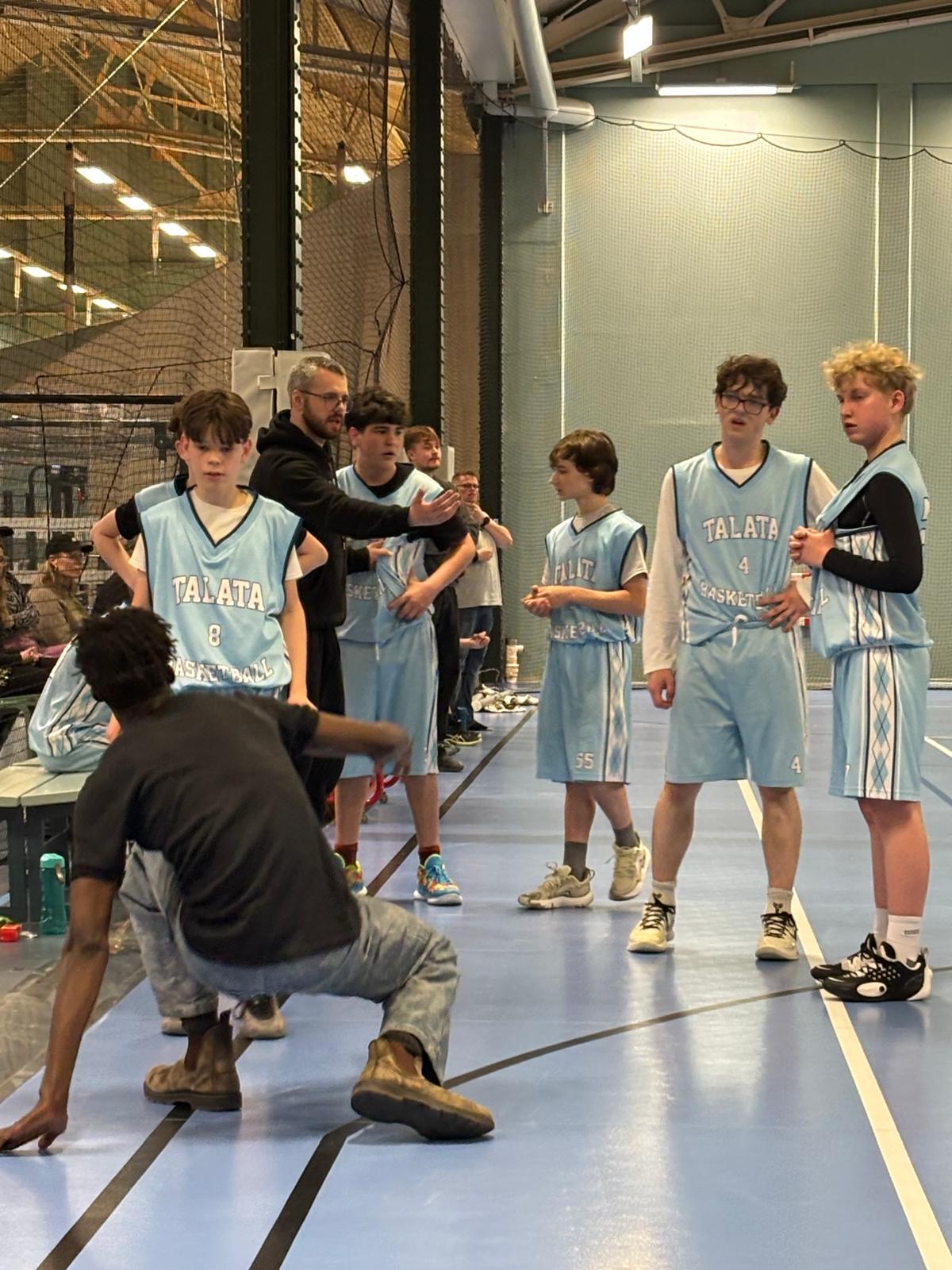
Most parents worry about the wrong things before a first training session.
Whether their kid knows the rules. Whether they will be good enough to keep up. Whether they will embarrass themselves in front of the other kids.
I understand why. You want your kid to have a good experience. You do not want them to walk out after thirty minutes feeling like they do not belong.
But here is the honest truth: none of those things are what we are looking at. Not on day one. Here is what we actually notice.
Do they listen when we talk?
Not "are they obedient" in the strict sense. I mean: do they make eye contact when a coach is speaking? Do they track the ball? Do they respond when we call their name? Kids who listen learn faster. That is just true. Everything else, every skill, every movement pattern, every read of the game, can be taught. But if a kid is not taking in information, there is nothing to build on. The ones who watch and listen closely in that first session tend to be the ones who improve the fastest over the next six months.
Do they try things they cannot do yet?
The kid who attempts the layup wrong ten times in a row is more interesting to me than the kid who only does what they are already sure of. Willingness to fail is the single biggest predictor of development I have seen in years of coaching. A kid who is comfortable looking silly while trying something new will learn it. A kid who only does the safe thing will stay exactly where they are. We actively create situations in the first session where failure is built in. We watch who keeps trying anyway.
Do they enjoy it?
Not "are they smiling the whole time." Some kids are intense and serious and loving every second of it without showing it. What I look for is engagement. Are they asking questions? Are they looking for the ball? Do they come back from the water break at full energy? A kid who is genuinely enjoying themselves will come back next week. A kid who is there because their parent signed them up will find a reason to stop coming. Enjoyment is the fuel. Without it, nothing else matters.
Do they notice other people?
Basketball is a team sport. That is not a small detail. The kid who passes when they could have shot, who celebrates a teammate's basket, who helps someone up off the floor: that is the kid who will fit in and stay. We are not just building basketball players. We are building a team. A kid who is already tuned in to the people around them on day one will be an asset from week one. That kind of awareness is rare at U9 and U11, and when we see it we pay attention.
What we do not care about at this level.
Height. At U9 to U11 it means almost nothing. The kids who seem physically ahead at that age are usually just older for their year group. The game evens out fast.
Whether they have played before. Some of our most coachable players had never touched a basketball before their first session. Starting from zero is not a disadvantage. It just means we build the habits correctly from the beginning.
Whether they can dribble. We will teach it. That is our job.
The honest truth about talent at age 8.
Talent at age 8 is mostly just confidence. The kid who looks gifted early is often just the kid who has played more, or who grew up in a household where sport was normal, or who happens to have a personality that lights up in a competitive environment.
The shy kid who takes three months to open up often ends up being the most coachable player on the team. They are watching everything. They are processing everything. When they finally feel safe enough to try, they go fast.
We have seen it too many times to dismiss it. The kid who looks like a star on day one is not always the one still playing in five years. The kid who showed up nervous and tried anyway usually is.
Spring camp is May 14-16.
Three days of coaching, games, and real basketball at Talata. Open to all ages and levels. First time players welcome.
See Camp Details